
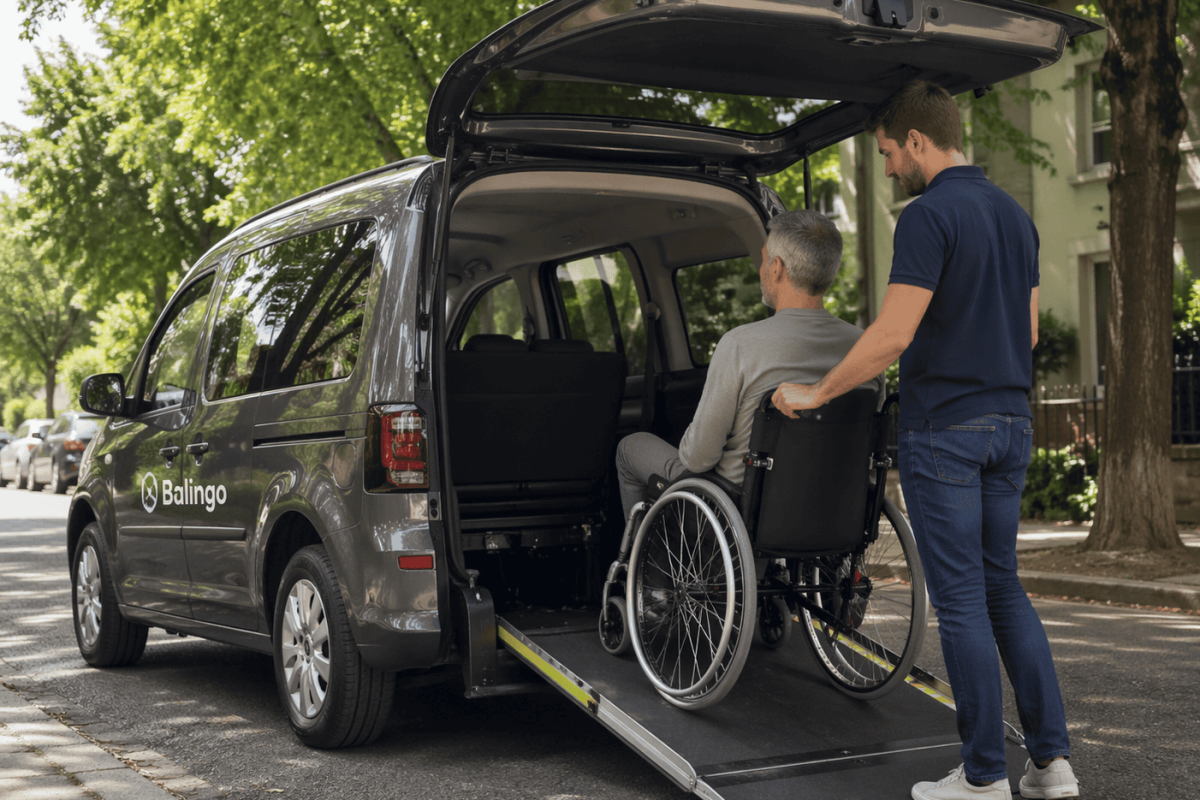

Borrowing a car for a family day out sounds simple. It rarely is. Someone else’s schedule, their return deadline, the creeping guilt about mileage. For families with a wheelchair user, the complications stack higher. Standard vehicles have no ramps. No restraint systems. Getting in and out means manual lifting, which is hard on carers and genuinely risky for the person being moved.
The moment many families stop borrowing and buy their own used WAV, something shifts. The Sunday morning decision to just go somewhere, without three phone calls and a spreadsheet, is worth more than most people expect until they have it. Properly worth it.
Used WAVs sit in a practical middle ground. Below the cost of a new conversion. Above the chaos of borrowed transport. For families making this transition, the questions are usually the same: what does it cost, what should I look for, and where do I start.
Why Standard Hire and Borrowing Stopped Working
Most standard vehicles are not built for wheelchair users. No ramp. No floor lowering. No four-point tie-down system. Getting a wheelchair user in and out means manual transfers. Manual transfers carry real injury risk for everyone involved.
Carers lifting without proper grip points face genuine back and joint strain. The wheelchair user risks falls or bruising during the move. Every trip carries that. Not metaphorically. Physically, and data tied to staff injury rates during patient handling UK reflects how manual handling continues to be a consistent source of injury risk across care settings.
Return pressure adds another layer. Trips get cut short. Borrowed vehicles come with deadlines that eat into the day before it starts. Families turn down invitations not because they do not want to go, but because arranging the transport takes more energy than the outing itself. That is the part nobody mentions until you have lived it.
What Makes a Vehicle Genuinely Wheelchair Accessible
A properly converted WAV lets the wheelchair user stay seated for the entire journey. Board, secure, travel. No transfer at either end.
The features are not optional. Legally required. A lowered floor drops the entry point enough to make boarding manageable without lifting. The ramp or lift deploys from the rear or the side, depending on the conversion. Four anchor points lock into the floor. A lap belt and shoulder belt secure the wheelchair occupant separately from the chair restraints. Miss any one of these and the vehicle is not compliant.
UK standards for this area include requirements applied through recognised vehicle conversion and approval frameworks. Ramp load ratings, floor modification specifications, restraint anchor pull-test requirements. Not guidelines. Standards. The difference matters when something goes wrong at 60mph on the motorway.
Allied Mobility sources, inspects, and certifies used wheelchair accessible vehicles before they reach buyers. RAC-approved stock. Peugeot, Ford, Volkswagen, Vauxhall conversions. Rear-entry and side-entry both covered. Every vehicle is certified before sale. Home demonstrations available across the UK. Or maybe the second-best starting point. Hard to think of a better one. Conversion layouts differ in ways that affect daily use more than most buyers expect before living with a vehicle, so understanding both configurations before viewing specific stock saves time and avoids costly mistakes.
Rear-Entry Versus Side-Entry
Rear-entry used WAVs are the standard layout across the UK. The ramp comes out from the back. The wheelchair user boards and travels facing forward. Compact enough for most parking bays. The default choice for urban family use, and the easier fit for tighter spaces.
Side-entry vehicles work differently. The ramp deploys from the passenger-side door. More space needed alongside the vehicle. The wheelchair user boards from the pavement side, which some find easier. Some carers prefer it too, particularly when boarding assistance is needed. Neither layout is objectively better. The right one depends on where the vehicle gets parked most often.
The Real Costs of Used Wheelchair Accessible Vehicles
Entry-level used WAVs start from around £8,000. Lower mileage, more recent examples sit between £20,000 and £35,000. Conversion equipment adds roughly 25 to 40 per cent to a base vehicle price at the point of manufacture. Buying used means someone else absorbed that initial hit. Worth remembering when the sticker price looks high.
Insurance runs slightly higher than for standard cars. Specialist insurers cover the conversion equipment separately from the vehicle itself. That distinction matters when something goes wrong with the ramp mechanism or restraint hardware. Not every standard policy covers it.
Fuel efficiency is broadly similar to standard versions of the same model. The Motability scheme is worth checking for eligible households. It allows used wheelchair accessible vehicles to be accessed using the higher-rate mobility component of qualifying disability benefits, which changes the upfront cost picture considerably, and data tied to wheelchair accessible vehicle prices UK Motability scheme shows how pricing varies depending on vehicle size, specification, and available support through the scheme.
Hidden Factors Families Often Miss
Converted vehicles lose value differently from standard cars. The conversion adds worth initially, but that figure does not hold as the vehicle ages. Resale takes longer. The buyer pool is smaller, and data tied to vehicle residual value trends UK 2026 shows how market demand and regional shifts continue to affect how quickly specialised vehicles retain or lose value over time.
Running costs surprise people too. Tyres on lowered-floor vehicles wear differently because of the modified suspension geometry. Some ramp mechanisms need annual servicing regardless of how often they are used. Hydraulic systems need fluid checks. Electric ramp motors need contact cleaning. None of this is expensive in isolation. Collectively, it adds up across a year in ways a standard car service schedule does not prepare you for.
Specialist servicing matters more than most buyers anticipate before they need it. A garage familiar with WAV conversions handles ramp mechanisms, restraint hardware, and floor integrity checks correctly. One that is not familiar with conversions will not. The difference shows up when something needs replacing under the floor or when a ramp motor starts running slow. Documentation of previous servicing and conversion inspections is not just paperwork. It protects the value of the vehicle and confirms the safety-critical components have been properly maintained throughout. Ask for it upfront. If a seller cannot produce it, that is the answer.
How We Chose the Right Used WAV for Day Trips
Start with actual use. Motorway runs to family, local school runs, days out in the Midlands, weekend breaks. Each shapes the shortlist differently. Larger models give more interior space. Busy car parks make them harder to manage. Smaller WAVs suit urban driving but feel cramped on longer journeys. Neither is wrong. Both are right for different families.
Bring the primary wheelchair user to the test. Ramp incline, interior headroom, distance between wheelchair position and passenger seats, whether the specific chair fits the restraint system correctly. That last one catches people out. Not every wheelchair fits every system. Check it before buying, not after.
Paperwork matters. A valid conversion certificate. Evidence of recent restraint system inspections. Full service history. Warranties covering conversion equipment separately from the main vehicle warranty. Reputable dealers provide all of this without being asked, and requirements tied to used car checks UK legal requirements show what documentation should be verified before committing to any purchase. If they hesitate, keep looking.
Test the ramp in person before signing anything. All four tie-down anchor points should engage firmly and cleanly. Check the belts for wear or fraying at the ends and along the length. These are not formalities. They are what keep the wheelchair user safe when the vehicle is moving.
What Changes When You Stop Borrowing
The practical answer: fewer phone calls, no return deadlines, no guilt.
The real answer is harder to put a number on. A family that owns a used WAV suited to their needs stops planning trips around what transport is available and starts planning them around what they actually want to do. That shift is quieter than it sounds. And considerably bigger.
A used WAV changes more than transport. It changes how often you go out, how easily plans happen, and how much effort each trip requires. The right vehicle removes barriers that most people only notice once they are gone. Start with what your family actually needs, check the details properly, and take the time to test before buying. Done right, the result is simple: more freedom, less stress, and a daily routine that works again.


